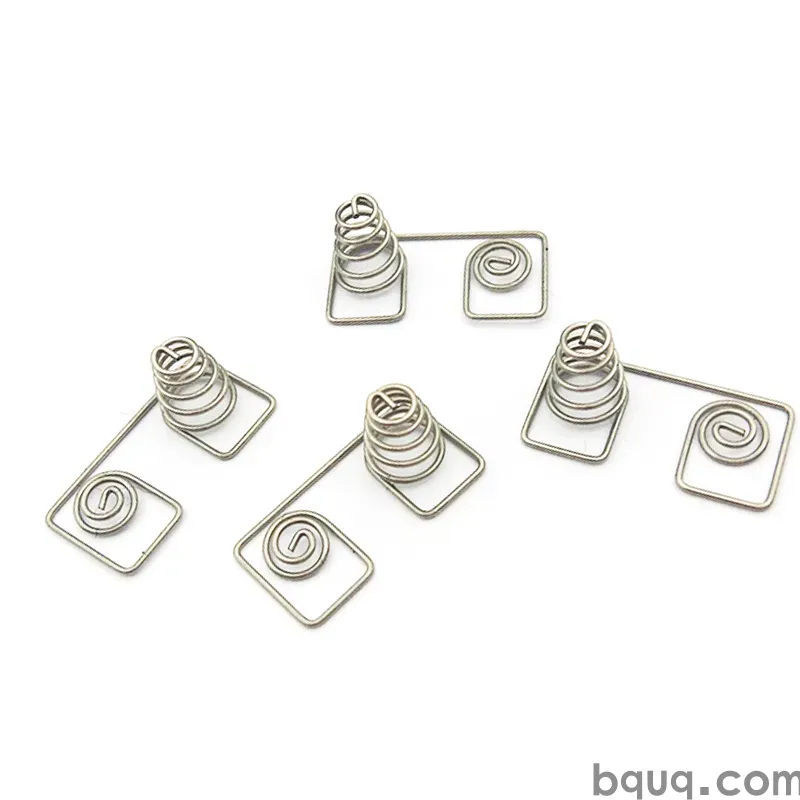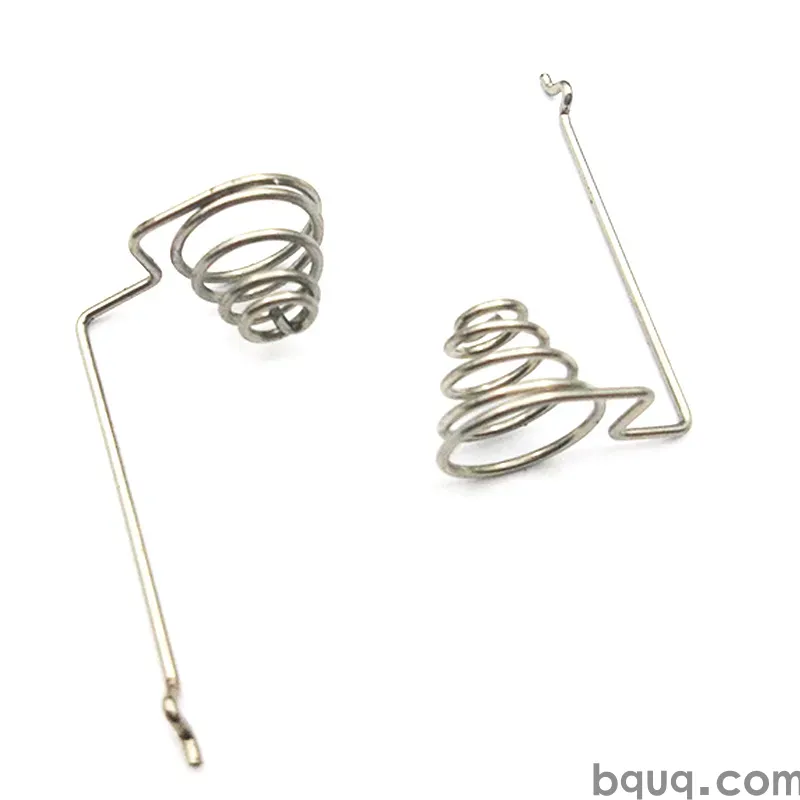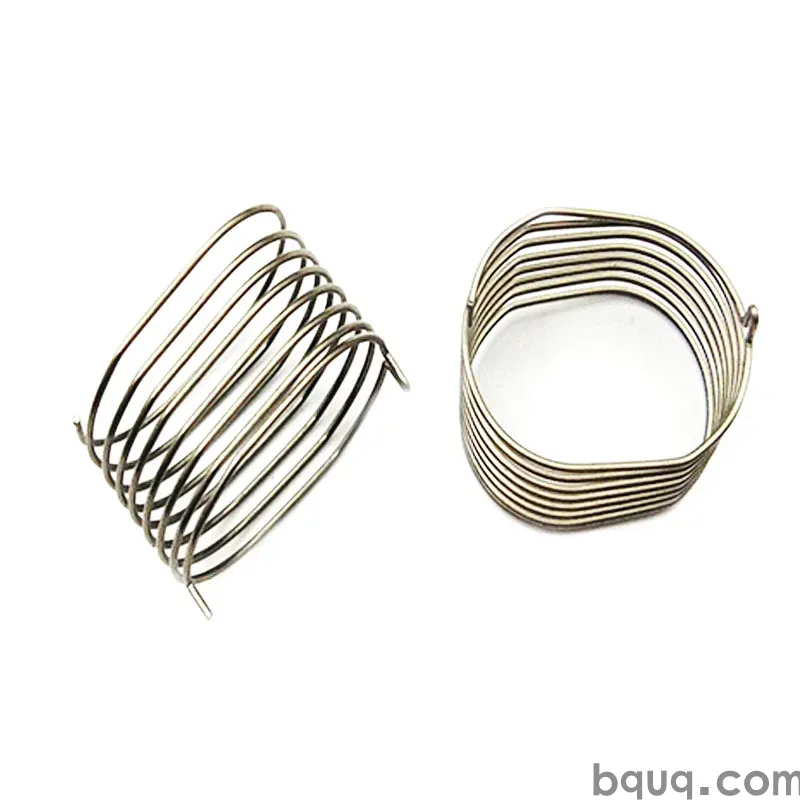
Kugelstrahlen kann die Ermüdungslebensdauer von Federn um das Zwei- bis Fünffache erhöhen. Intensität, Abdeckung und der richtige Zeitpunkt. BQUQ (ISO9001, Dongguan) kugelstrahlt Federn.
Kugelstrahlen für Federn: Der Ermüdungslebensdauer-Multiplikator
Kugelstrahlen ist die kosteneffektivste Verbesserung der Ermüdungslebensdauer für Federn: Durch das Hämmern der Drahtoberfläche mit hartem Strahlmittel entsteht eine Druckeigenspannung an der Oberfläche, und ein Riss kann in einer Druckschicht nicht wachsen – typische Ergebnisse sind die zwei- bis fünffache Ermüdungslebensdauer einer ungestrahlten Feder, manchmal mehr. Für jede Feder, die signifikant zyklisch belastet wird, sollte das Kugelstrahlen vor einer Materialaufwertung in Betracht gezogen werden, da es in der Regel mehr Lebensdauer pro Euro bringt.
Eine Feder bricht durch Ermüdung, wenn sich ein Oberflächendefekt unter Zugspannung zu einem Riss öffnet. Kugelstrahlen greift diesen Mechanismus direkt an: Jeder Strahlmittelaufprall verformt eine winzige Vertiefung plastisch, und da das umgebende Material dieser Verformung widersteht, wird die Oberfläche zusammengedrückt – unter Druck gesetzt. Ermüdungsrisse benötigen Zugspannung, um sich zu öffnen und zu wachsen, daher ist eine Druckeigenspannungsschicht eine Panzerung. Die Drahtoberfläche, die früher das schwache Glied war, wird zum stärksten Teil des Querschnitts. Dies ist keine Beschichtung oder Behandlung, die Material hinzufügt; es ist eine Änderung des Spannungszustands der bereits vorhandenen Oberfläche.
Was Kugelstrahlen tatsächlich mit einer Feder macht
Das Strahlen bewirkt drei messbare Dinge an einem Federdraht. Es erzeugt eine Druckeigenspannungsschicht, die typischerweise 0,1–0,3 mm tief ist, abhängig von Intensität und Material. Es kaltverfestigt die Oberfläche und erhöht deren lokale Streckgrenze. Und es verschmiert oder schließt mikroskopische Oberflächendefekte – Kratzer, Wickelspuren, kleine Narben – die andernfalls als Rissauslöser wirken würden. Der Ermüdungsriss muss zuerst die Druckschicht überwinden, bevor er sich ausbreiten kann, und viele Risse schaffen das nie.
| Wirkung des Strahlens | Typische Größenordnung | Was es bringt |
|---|---|---|
| Druckeigenspannungsschicht | −400 bis −800 MPa Eigenspannung typisch | Blockiert Rissöffnung |
| Schichttiefe | 0,1–0,3 mm typisch | Schützt vor kleinen Defekten |
| Oberflächenkaltverfestigung | Höhere lokale Härte | Widersteht Beschädigung im Betrieb |
| Defektschließung | Verschmiert Mikrokratzer | Entfernt Rissauslöser |
| Ermüdungslebensdauer-Ergebnis | 2–5× ungestrahlt, typisch | Zyklen bis zum Versagen |
Kernaussage: Strahlen macht die Feder nicht im statischen Sinne stärker – eine gestrahlte Feder trägt die gleiche Last wie eine ungestrahlte. Es ermöglicht der Feder, bei dieser Last mehr Zyklen zu überstehen. Wenn der Mechanismus mehr Kraft benötigt, ändern Sie das Design; wenn der Mechanismus bei gleicher Kraft mehr Lebensdauer benötigt, strahlen Sie. Die beiden Ziele sind getrennt, und ihre Verwechslung ist der Grund, warum das Strahlen manchmal bei Teilen übersprungen wird, die es am meisten benötigen.
Intensität, Abdeckung und der Almen-Test
Die Strahlqualität wird durch zwei Prozessparameter gesteuert: Intensität und Abdeckung. Die Intensität wird mit dem Almen-Test gemessen – ein flacher Streifen aus Federstahl wird einseitig gestrahlt und die Bogenhöhe, die er erreicht, wird in Tausendstel Zoll gemessen (die Almen-"A"-Skala ist für Federn Standard). Die Abdeckung ist der Prozentsatz der tatsächlich getroffenen Oberfläche, verifiziert durch Sichtprüfung bei 10-facher Vergrößerung; 100 % Abdeckung bedeutet, dass die gesamte Oberfläche überlappende Vertiefungen zeigt, und 100–200 % ist das normale Produktionsziel. Zu geringe Intensität führt zu einer zu flachen Druckschicht, die keine Wirkung hat; zu viel kann die Oberfläche durch Überstrahlen beschädigen.
| Prozessparameter | Typischer Produktionsbereich | Risiko bei Fehlern |
|---|---|---|
| Almen-Intensität (A-Skala) | 0,15–0,35 mmA typisch für Federn | Niedrig = flache Schicht, geringer Nutzen |
| Strahlmittelgröße | 0,3–0,8 mm typisch | Übergroß = Oberflächenschäden an dünnem Draht |
| Abdeckung | 100–200 % Ziel | Unterdeckt = lückenhafte Schutzwirkung |
| Draht härte | Über ~40 HRC strahlt am besten | Weicher Draht profitiert weniger |
| Dünner Draht (<1 mm) | Strahlrisiko steigt | Verzug oder Beschädigung – verifizieren |
Kernaussage: Intensität und Abdeckung sind die Sprache des Strahlens – ein Lieferant, der die Almen-Intensität und das Abdeckungsziel nicht angeben kann, führt keinen kontrollierten Prozess. Der Kompromiss ist bei kleinen Größen wichtig: Unterhalb von etwa 1 mm Draht muss das Strahlen sanfter erfolgen oder weggelassen werden, da das Strahlmittel einen dünnen Draht schneller verformen oder beschädigen kann, als es ihn schützt. Im Zweifelsfall testen Sie gestrahlte und ungestrahlte Prototypen bei Ihrer tatsächlichen Zyklenzahl und lassen Sie die Ermüdungsdaten entscheiden – die Federprüf routine liefert Ihnen den direkten Vergleich.
Wann strahlen: Platzierung im Prozess und im Design
Das Strahlen gehört nach der Wärmebehandlung und dem Spannungsarmglühen und normalerweise nach dem Vorsetzen, falls Vorsetzen verwendet wird, da die plastische Verformung des Vorsetzens die gestrahlte Schicht stören könnte – die Standardreihenfolge für eine hochfeste Feder ist: Wickeln, Wärmebehandlung oder Spannungsarmglühen, Vorsetzen falls spezifiziert, dann Strahlen. Das Strahlen paart sich auch mit den anderen Ermüdungshebeln: Es schützt vor Oberflächendefekten, während Designänderungen (geringere Spannungsamplitude) die Ursache angreifen, und die Relaxationskontrolle behandelt die statische Seite. Kugelgestrahlte Federn widerstehen auch der Relaxation etwas besser, da die Druckschicht dem Mikrokriechen entgegenwirkt, das den Lastverlust antreibt.
| Federanwendung | Strahlen? | Grund |
|---|---|---|
| Statische Feder, wenige Zyklen | Normalerweise nein | Keine Ermüdung zu bekämpfen – Kosten sparen |
| Ventil, Aufhängung, hochzyklisch | Ja | Ermüdung ist die Lebensdauergrenze |
| Heißer Betrieb, relaxationskritisch | Optional | Strahlen hilft der Relaxation leicht; Legierung und Spannung leisten die Hauptarbeit |
| Draht unter ~1 mm | Sorgfältig prüfen | Verzugsrisiko überwiegt den Nutzen |
| Korrosionsumgebung | Strahlen + schützen | Strahlen hilft, aber Narben starten weiterhin Risse – Beschichtung oder Edelstahl ebenfalls erforderlich |
Kernaussage: Strahlen Sie dynamische Federn, überspringen Sie statische und verifizieren Sie dünnen Draht. Die obige Anwendungsliste ist die Entscheidungs-Kurzliste; die Zyklenzahl des Mechanismus ist der Auslöser – grob gesagt, wenn eine Feder mehr als ein paar hunderttausend Zyklen bei signifikanter Spannung sehen wird, ist das Strahlen in der Regel seine Kosten wert, und der Ermüdungstest beweist es an Ihrem Teil und nicht an Allgemeinplätzen.
Was Strahlen nicht beheben kann
Strahlen ist ein Multiplikator, kein Wunder. Es kann keine Feder reparieren, deren Spannungsamplitude weit über der Materialfähigkeit liegt – der Riss beginnt unterhalb der gestrahlten Schicht oder die Schicht relaxiert unter Überlast. Es kann keine Relaxation bei hoher Temperatur beheben, wo die Druckschicht selbst allmählich ausglüht. Es kann keinen Konstruktionsfehler beheben, wie einen zu engen Hakenradius, der den dünnen Drahtquerschnitt durchbricht, oder Zugfedern mit Haken, deren Geometrie die Spannung über das hinaus konzentriert, was jede Oberflächenbehandlung übersteht. Und Strahlen kann an einem Produktionsteil nicht mit dem Auge verifiziert werden – es erfordert Prozesskontrolle plus Probenprüfung, denn nach dem Strahlen sieht eine Feder fast identisch aus wie eine ungestrahlte.
| Häufiges Missverständnis | Realität |
|---|---|
| "Strahlen macht die Feder stärker" | Es erhöht die Ermüdungslebensdauer, nicht die statische Kapazität |
| "Mehr Strahlen ist besser" | Überstrahlen beschädigt die Oberfläche |
| "Strahlen ersetzt Designkorrekturen" | Es multipliziert ein solides Design; es kann ein schlechtes nicht retten |
| "Strahlen funktioniert bei allen Drahtgrößen" | Unter ~1 mm Draht ist es riskant – verifizieren |
| "Wir können sehen, ob gestrahlt wurde" | Optisch nahezu identisch – vertrauen Sie der Prozessdokumentation |
Kernaussage: Behandeln Sie das Strahlen als einen kontrollierten Schritt in einer Kette – Material, Spannungsniveau, Vorsetzen, Strahlen, Prüfen – und verifizieren Sie es mit Prozessparametern und Ermüdungsproben statt mit Sichtprüfung. Die Prozessdokumentation des Lieferanten (Almen-Intensität, Strahlmittelgröße, Abdeckung) ist Ihr Nachweis, und der Ermüdungsprobentest ist Ihr Beweis.
BQUQ kugelstrahlt Federn unter ISO9001 in Dongguan mit kontrollierten Almen-Intensitäts- und Abdeckungszielen, angewendet in der korrekten Prozessreihenfolge nach Wärmebehandlung und Vorsetzen, und verifiziert das Ergebnis mit Ermüdungsprobenläufen an Druckfedern, Torsions- und Verbundformen. Senden Sie die Zeichnung mit Zyklenzahl und Betriebsspannungen an sc@bquq.com oder WhatsApp +86 13713157787 – das Angebot innerhalb von 12 Arbeitsstunden wird angeben, ob sich das Strahlen an Ihrem Teil lohnt, und der Probenprüfbericht zeigt die erzielte Lebensdauer.
F: Wie stark verbessert Kugelstrahlen die Ermüdungslebensdauer von Federn?
Typischerweise das Zwei- bis Fünffache der ungestrahlten Lebensdauer bei gleicher Last, wobei der Gewinn am größten ist, wenn das Versagen oberflächeninitiiert war. Der genaue Multiplikator hängt vom Spannungsniveau und Material ab – messen Sie ihn mit einem Ermüdungsprobentest an Ihrem Teil.
F: Was ist die Almen-Intensität beim Kugelstrahlen?
Das Standardmaß der Strahlenergie: Ein flacher Federstahlstreifen wird gestrahlt und seine Krümmung (Bogenhöhe) gemessen. Federn laufen typischerweise bei 0,15–0,35 mmA auf der A-Skala, und die Intensität muss an Drahtgröße und Härte angepasst werden.
F: Lohnt sich Kugelstrahlen für eine Feder, die kaum zyklisch belastet wird?
Nein. Wenn die Feder wenige Zyklen sieht, ist Ermüdung nicht die Lebensdauergrenze und Strahlen fügt Kosten ohne Nutzen hinzu. Reservieren Sie das Strahlen für dynamische Federn, deren Zyklenzahl und Spannung die Ermüdung an die Spitze der Versagensliste setzen.
F: Funktioniert Kugelstrahlen bei kleinen Federn?
Unterhalb von etwa 1 mm Draht wird das Strahlen riskant – das Strahlmittel kann den Draht verformen oder beschädigen. Einige Mikro federn werden erfolgreich mit feinem Strahlmittel und geringer Intensität gestrahlt; verifizieren Sie mit Proben, bevor Sie den Prozess festlegen.
F: Kann Kugelstrahlen ein stärkeres Federmaterial ersetzen?
Nicht direkt. Strahlen multipliziert die Ermüdungslebensdauer; eine Materialänderung erhöht Festigkeit und Temperaturbeständigkeit. Für ein reines Ermüdungsproblem bei einem soliden Design liefert Strahlen in der Regel mehr Lebensdauer pro Euro; bei Überlast, Relaxation oder Korrosion ändern Sie stattdessen das Material.
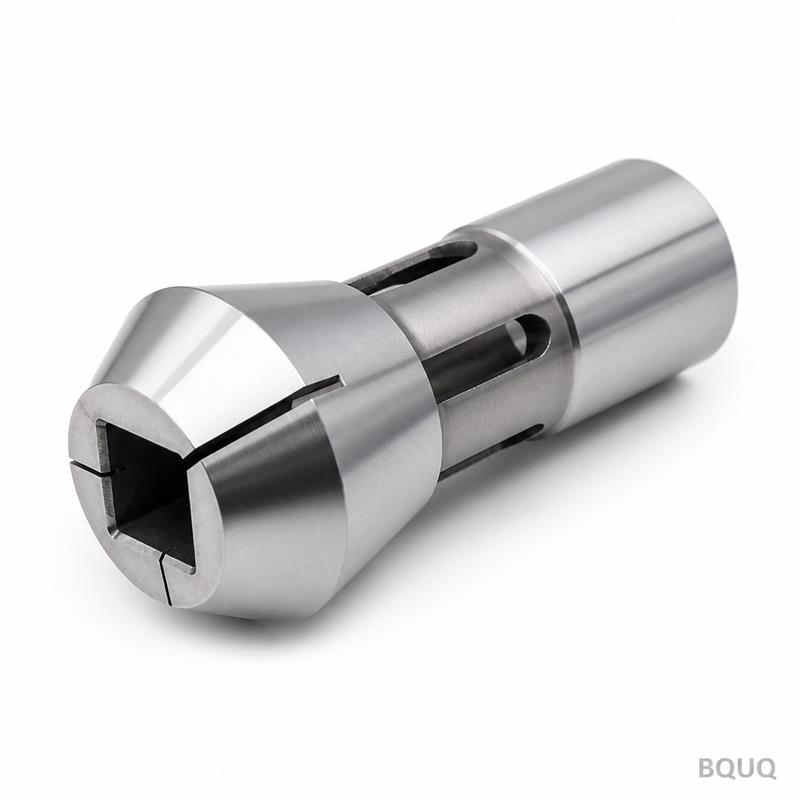
Verfasst vom BQUQ Engineering Team. BQUQ ist ein ISO9001-zertifiziertes Quellwerk in Dongguan, China, das CNC-Bearbeitung, Metallstanzen, kundenspezifische Federn, Kühlkörper- und Spannzangenlinien unter einem Dach betreibt. Senden Sie Zeichnungen an sc@bquq.com oder WhatsApp +86 13713157787 für ein Angebot innerhalb von 12 Arbeitsstunden. www.bquq.com