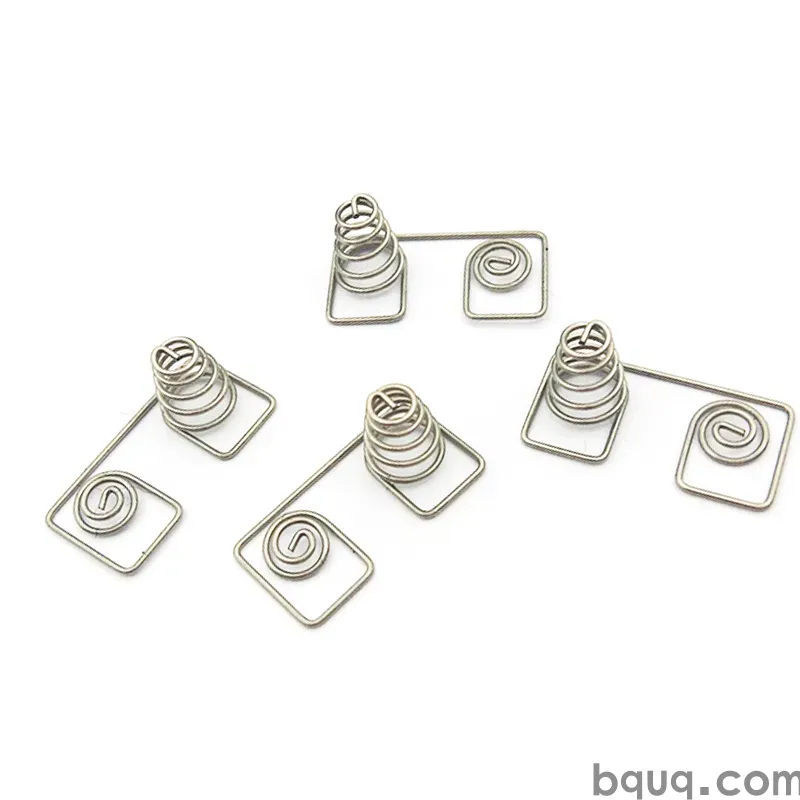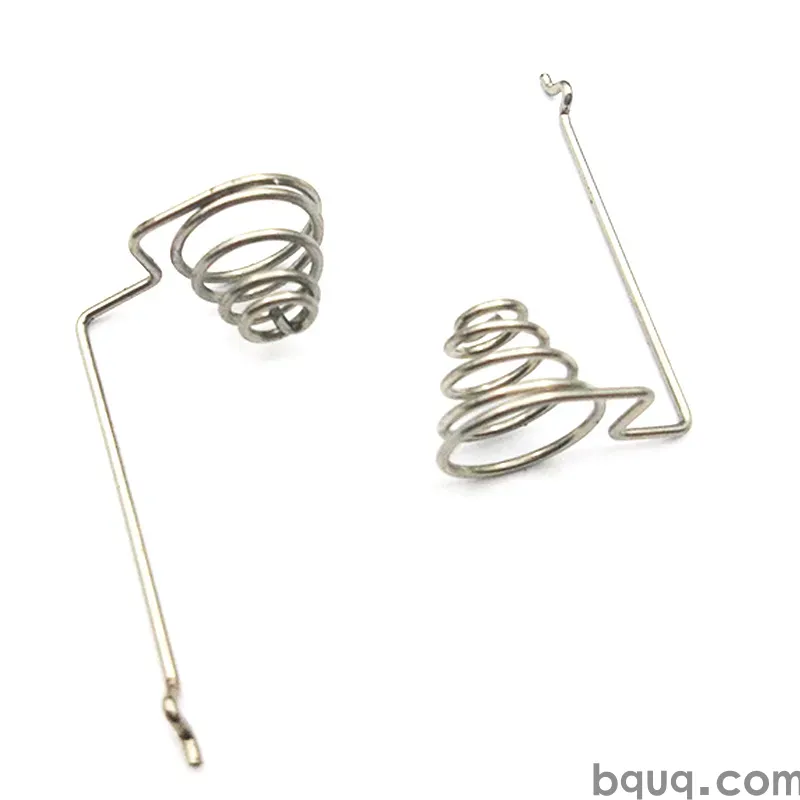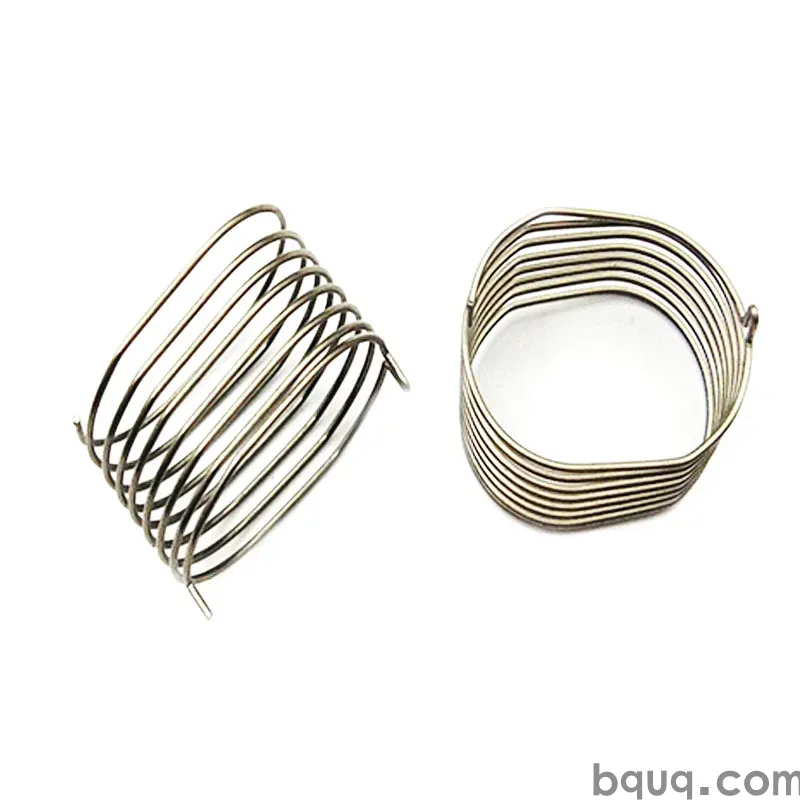
Relaxation führt zum Verlust der Federkraft; Ermüdung verursacht Risse. Unterschiedliche Symptome, unterschiedliche Lösungen. BQUQ (ISO9001, Dongguan) konstruiert und testet Federn auf Ermüdung.
Federrelaxation vs. Ermüdung: Zwei Ausfälle, zwei unterschiedliche Designlösungen
Relaxation und Ermüdung sind die zwei Arten, wie Federn ausfallen, und sie sind Gegensätze: Relaxation ist eine Feder, die langsam an Kraft verliert, während sie unter Last stillsteht; Ermüdung ist eine Feder, die nach vielen Bewegungszyklen bricht. Wenn eine Feder nicht mehr stark genug drückt, behandeln Sie sie gegen Relaxation – senken Sie die Spannung, setzen Sie sie vor, kühlen Sie sie ab. Wenn eine Feder in Stücke bricht, behandeln Sie sie gegen Ermüdung – senken Sie die Spannungsamplitude, entfernen Sie Oberflächenschäden, fügen Sie Kugelstrahlen hinzu.
Konstrukteure wenden routinemäßig die falsche Lösung an, weil beide Ausfälle als „die Feder ist ausgefallen“ erscheinen und beide der Materialqualität zugeschrieben werden. Aber die Mechanismen sind unterschiedlich genug, dass die Lösung für das eine Problem für das andere nutzlos – oder sogar schädlich – sein kann. Das Vorsetzen zum Beispiel ist eine wirksame Lösung gegen Relaxation, tut aber fast nichts gegen einen Ermüdungsriss, der an einem Oberflächenkratzer beginnt. Lernen Sie, die beiden anhand des Symptoms, der Bauteilhistorie und des Spannungszustands zu unterscheiden, und die Designlösung wird offensichtlich.
Relaxation: Die Feder, die leise aufgibt
Spannungsrelaxation ist der allmähliche Verlust der Kraft in einer Feder, die über einen längeren Zeitraum bei einer festen Durchbiegung gehalten wird. Nichts bricht, nichts sieht falsch aus – die freie Länge ändert sich kaum, aber die Last in Arbeitshöhe driftet nach unten. Der Mechanismus ist mikroplastisches Kriechen: Unter anhaltender Spannung ordnen sich Atome langsam neu an und die elastische Dehnung wandelt sich in bleibende Dehnung um. Temperatur beschleunigt dies dramatisch – eine Feder, die jahrelang bei 20 °C Last hält, kann bei 150 °C in Wochen 20 % ihrer Kraft verlieren.
| Einflussfaktor | Wirkung auf Relaxation | Praktischer Hebel |
|---|---|---|
| Betriebsspannungsniveau | Verlust steigt stark mit der Spannung | Konstruktion auf niedrigeren Prozentsatz der Zugfestigkeit auslegen |
| Temperatur | Verlust verdoppelt sich etwa alle 30–40 °C Anstieg | Temperatur senken oder Legierung aufwerten |
| Zeit unter Last | Schneller anfänglicher Verlust, dann Verlangsamung | Vorsetzen, um frühes Setzen zu entfernen |
| Material | Nickel- und Edelstahllegierungen relaxieren weniger | Von Kohlenstoffstahl aufwerten |
| Oberflächenzustand | Geringe Rolle | Kugelstrahlen bringt bescheidenen Nutzen |
Wichtigste Erkenntnis: Relaxation wird kontrolliert, bevor die Feder überhaupt zyklisch belastet wird – durch Spannungsniveau, Temperatur, Vorsetzen und Legierung. Die klassische Lösungssequenz ist: Betriebsspannung gegen die Materialkurve prüfen, einen Vorsetzvorgang hinzufügen, damit die Feder bereits gesetzt geliefert wird, und wenn sie immer noch driftet, eine Legierungsfamilie aufsteigen oder die Umgebung kühlen. Ein Relaxationstest – Proben bei Arbeitslänge und -temperatur für 100–1.000 Stunden halten und die Lastkurve messen – ist die einzige ehrliche Verifikation.
Ermüdung: Die Feder, die in Stücke bricht
Ermüdung ist Risswachstum unter wiederholter Belastung. Jeder Zyklus setzt die Drahtoberfläche Zug und Druck aus; ein mikroskopischer Defekt – ein Zielkratzer, eine entkohlte Schicht, ein Loch, ein Werkzeugabdruck vom Wickeln – wird zu einem Riss, der mit jedem Zyklus ein wenig wächst, bis der verbleibende Querschnitt bricht. Ermüdungsbrüche zeigen eine klassische Bruchfläche: glatte Rastlinien vom Risswachstum und eine raue endgültige Gewaltbruchzone. Die entscheidende Zahl ist die Spannungsamplitude (die Schwankung zwischen minimaler und maximaler Spannung), nicht nur die Spitzenspannung.
| Einflussfaktor | Wirkung auf Ermüdung | Praktischer Hebel |
|---|---|---|
| Spannungsamplitude | Lebensdauer sinkt stark mit steigender Amplitude | Durchbiegungsbereich reduzieren oder Federrate neu konstruieren |
| Mittelspannung | Höhere Mittelspannung verkürzt die Lebensdauer | Vorspannung wo möglich senken |
| Oberflächendefekte | Kratzer wirken als Rissstarter | Kugelstrahlen, Polieren, defektfreier Draht |
| Korrosion | Löcher starten Risse schnell | Beschichtung, Edelstahlmaterial, trockene Umgebung |
| Spannungskonzentrationen | Haken, scharfe Biegungen konzentrieren Spannung | Größere Biegeradien, neu konstruierte Enden |
Wichtigste Erkenntnis: Ermüdung ist ein Oberflächen- und Amplitudenproblem. Die wirksamste einzelne Produktionslösung ist Kugelstrahlen, das die Oberfläche unter Druck setzt, sodass ein Riss nicht öffnen kann – es verlängert die Ermüdungslebensdauer dynamisch belasteter Federn routinemäßig um das Zwei- bis Fünffache. Die zweite Lösung ist konstruktiver Natur: Senken Sie die Amplitude, indem Sie die Federrate oder den Arbeitsbereich ändern, und vergrößern Sie die Biegeradien an Haken und Enden. Wenn eine Feder Millionen von Zyklen gelaufen ist und dann nach einer Prozessänderung bricht, suchen Sie nach dem, was sich an der Oberfläche geändert hat – ein neues Beschichtungsbad, ein rauerer Drahtzug, ein billigerer Wickeldorn.
Unterscheidung an einem ausgefallenen Bauteil
Bevor Sie etwas ändern, diagnostizieren Sie. Die beiden Ausfallmerkmale sind unterschiedlich genug, dass eine Fünf-Minuten-Inspektion über die Lösung entscheidet.
| Beobachtung | Deutet auf Relaxation hin | Deutet auf Ermüdung hin |
|---|---|---|
| Symptom | Verliert Kraft, bleibt intakt | Bricht, reißt, verkürzt sich plötzlich |
| Bauteilhistorie | Statisch oder langsame Zyklen, oft heiß | Millionen von Zyklen, dynamischer Betrieb |
| Aussehen | Kein Bruch, vielleicht leichtes Setzen | Rastlinien + endgültige Gewaltbruchzone am Bruch |
| Lastprüfung | Kraft unter Spezifikation in Arbeitshöhe | Kraft oft in Ordnung bis zum Bruch |
| Ort des Schadens | Ganzer Körper gleichmäßig betroffen | Lokalisiert: Oberflächenkratzer, Hakenbiegung, Loch |
Wichtigste Erkenntnis: Messen Sie, bevor Sie beschuldigen. Eine Feder, die 15 % ihrer Kraft verloren hat, aber keinen Riss zeigt, ist ein Relaxationsfall – konstruieren Sie Spannung oder Material neu. Eine Feder, die nach 2 Millionen Zyklen an einem Oberflächenloch bricht, ist ein Ermüdungsfall – strahlen Sie sie, polieren Sie sie oder senken Sie die Amplitude. Fehldiagnosen sind teuer: Die Behandlung eines Ermüdungsbruchs nur mit Vorsetzen verschwendet eine Produktionsserie, und die Behandlung von Relaxation nur mit Kugelstrahlen enttäuscht den Kunden zweimal.
Konstruktion für beides gleichzeitig
Viele reale Federn müssen beides überstehen: Eine Ventilfeder sitzt stundenlang zusammengedrückt (Relaxation) und durchläuft auch Millionen von Zyklen (Ermüdung), oft heiß. Die Konstruktionssequenz, die beides abdeckt, ist: Wählen Sie zuerst das Material aus dem Temperatur- und Korrosionsbereich, setzen Sie die Spannung aus der Ermüdungsamplitudenanforderung fest, fügen Sie Vorsetzen für Dimensions- und Laststabilität hinzu, und strahlen Sie dann für Ermüdung. Verifizieren Sie mit zwei Tests – einem Lastrückhaltetest für Relaxation und einem Zyklustest auf die Ziellaufzeit für Ermüdung. Zusammen sind diese beiden Disziplinen der Grund, warum eine gut gemachte Feder drei billige in derselben Maschine überlebt.
Bei BQUQ behandelt die Federlinie die beiden Ausfallarten bereits ab dem ersten Angebot getrennt: Wir fragen nach Durchbiegungsbereich und Zyklen für Ermüdung und nach Dauerlast, Temperatur und erforderlichen Stunden für Relaxation. Die Druckfeder- und Zugfeder-Linien sind darauf eingerichtet, vorzusetzen, warmzustabilisieren und kugelzustrahlen, je nach Anwendung, und die Prüfberichte decken sowohl Lastrückhaltung als auch Zyklenergebnisse ab. Senden Sie den Arbeitsbereich, die Last, die Temperatur und die Zyklenzahl an sc@bquq.com oder WhatsApp +86 13713157787, und das Angebot kommt innerhalb von 12 Arbeitsstunden zurück, wobei die Ausfallart bereits konstruktiv berücksichtigt ist.
F: Wie kann ich feststellen, ob meine Feder durch Relaxation oder Ermüdung ausgefallen ist?
Prüfen Sie das Bauteil. Noch in einem Stück, aber schwach am Lastprüfstand bedeutet Relaxation; gebrochen mit einer zweizonigen Bruchfläche (glatte Rastlinien plus rauer Gewaltbruch) bedeutet Ermüdung. Korrelieren Sie mit der Historie: heiß und statisch deutet auf Relaxation hin, hohe Zyklenzahlen auf Ermüdung.
F: Behebt Kugelstrahlen auch Spannungsrelaxation?
Teilweise. Strahlen fügt Druckeigenspannung hinzu, die Relaxation leicht verlangsamt, aber die dominierenden Hebel gegen Relaxation sind Betriebsspannung, Temperatur und Vorsetzen. Bei einem Relaxationsproblem setzen Sie zuerst vor und reduzieren Sie die Spannung; behandeln Sie das Strahlen als Bonus, nicht als Heilmittel.
F: Welches Spannungsniveau sollte ich für eine lange Ermüdungslebensdauer anstreben?
Als Faustregel für Kohlenstoff- und Legierungsfederstähle: Wenn Sie die Torsionsspannungsamplitude unter etwa 20–25 % der Zugfestigkeit und die maximale Spannung unter 45–50 % halten, ergeben sich Lebensdauern in den Millionen Zyklen, wobei Strahlen dies verlängert. Genaue Werte gehören in das Ermüdungsdiagramm des Materials – fragen Sie die Fabrik nach der Prüfung des Auslegungspunkts.
F: Warum schadet Vorsetzen der Ermüdungsleistung?
Vorsetzen verformt den Draht plastisch, was Mikroschäden an der Oberfläche erzeugen und den Nutzen der Druckeigenspannung verringern kann. Bei stark zyklisch belasteten Federn stellt Kugelstrahlen nach dem Vorsetzen die Oberflächenkompression wieder her. Wenn beides wichtig ist, lautet die Reihenfolge: Wickeln, Vorsetzen, Strahlen, Testen.
F: Kann Relaxation rückgängig gemacht werden, oder ist die Feder dauerhaft beschädigt?
Dauerhaft. Relaxation wandelt elastische Dehnung in plastische Dehnung um; Entlasten und erneutes Belasten stellt die verlorene Last nicht wieder her. Die einzigen Abhilfen sind konstruktive Änderungen – geringere Spannung, bessere Legierung, niedrigere Temperatur – oder der Austausch der Feder. Deshalb lohnt sich ein Relaxationstest vor der Produktionsfreigabe.
Verfasst vom BQUQ Engineering Team. BQUQ ist eine ISO9001-zertifizierte Quellenfabrik in Dongguan, China, die CNC-Bearbeitung, Metallstanzen, Sonderfedern, Kühlkörper und Spannzangenlinien unter einem Dach betreibt. Senden Sie Zeichnungen an sc@bquq.com oder WhatsApp +86 13713157787 für ein Angebot innerhalb von 12 Arbeitsstunden. www.bquq.com