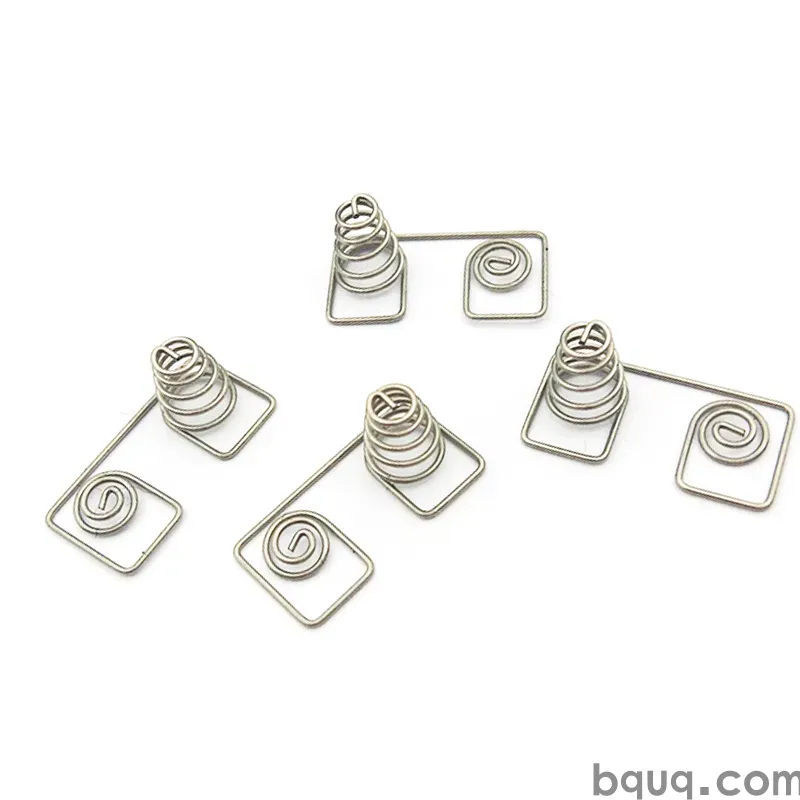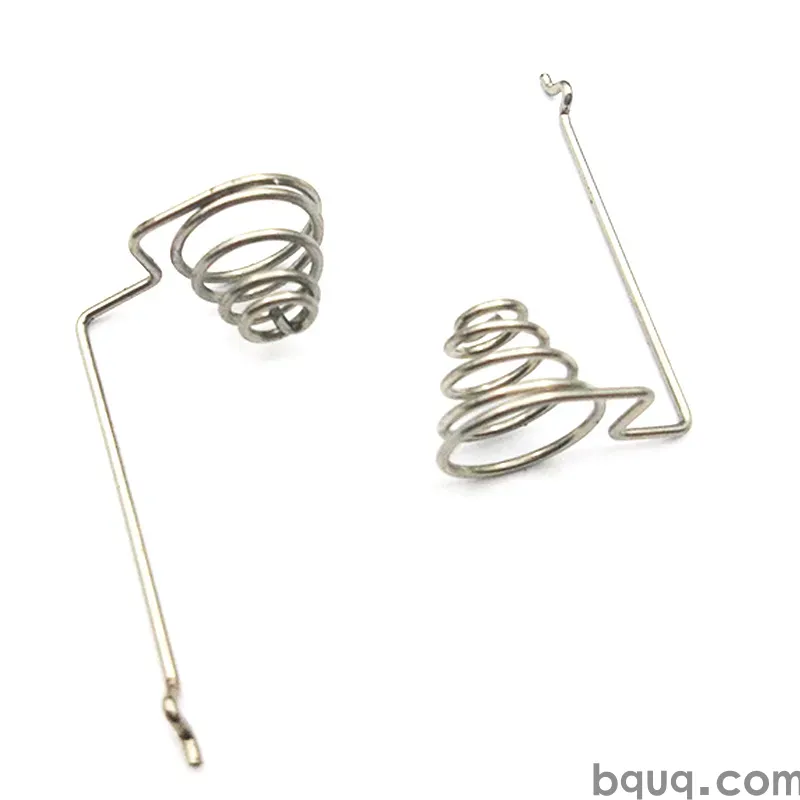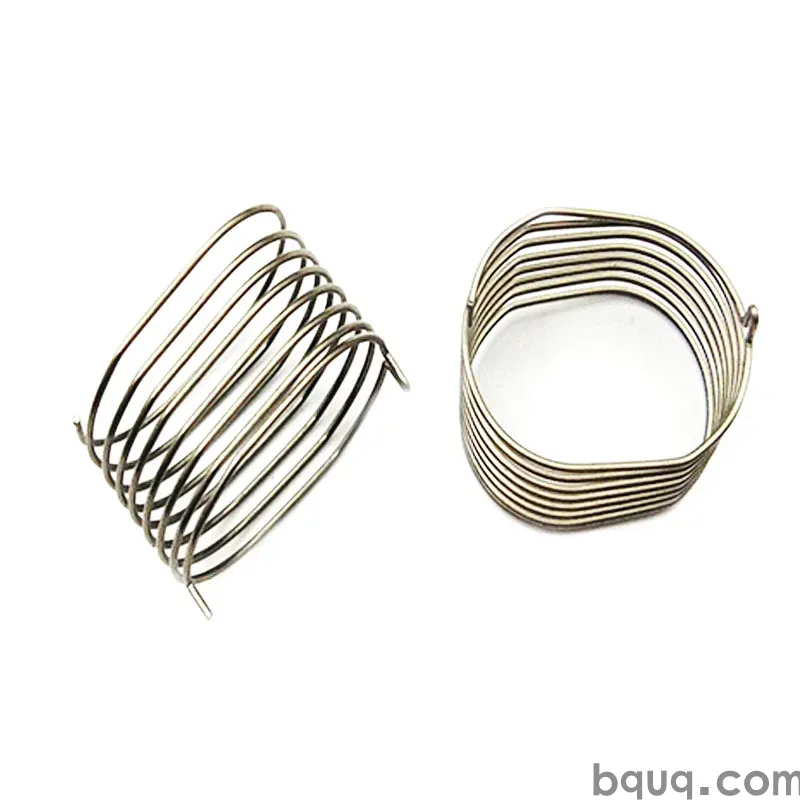
Stanzmaterialien: Stahlband, Messing, Phosphorbronze, Coil-Härte und Dickenangaben für Kontakte und Halterungen – aus einem ISO9001-zertifizierten Werk.
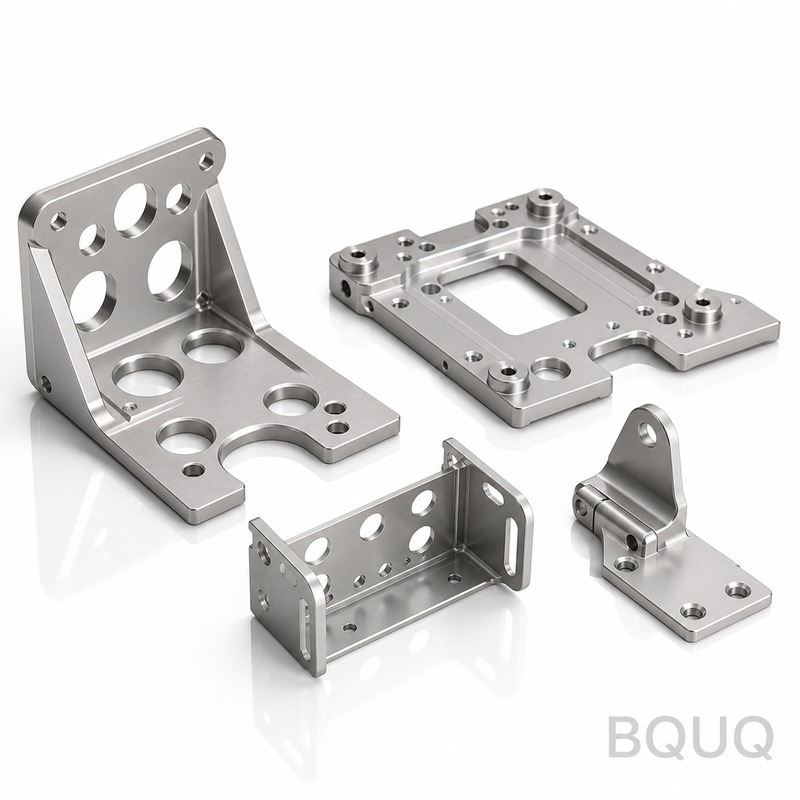
Stanzmaterialien: Stahlband, Messing, Phosphorbronze und Coil-Spezifikationen
Kurzantwort: Stanzmaterialien werden als Coil oder Band gekauft, und die Spezifikation besteht aus vier Zahlen – Legierung, Härtegrad, Dicke und Breite. Kaltgewalzter Stahl eignet sich für Strukturteile, Messing und Phosphorbronze für elektrische Kontakte, und Berylliumkupfer für Federn, die nicht relaxieren dürfen. Der Härtegrad entscheidet zwischen Biegefähigkeit und Festigkeit – ein falscher Härtegrad ist der häufigste Grund, warum Stanzteile im Werkzeug brechen oder beim Rückfedern die Toleranz verlassen.
Ein Stanzteil übernimmt seine mechanischen und elektrischen Eigenschaften vom Band, aus dem es geschnitten wurde. Daher erfolgt die Materialauswahl vor der Werkzeugkonstruktion, nicht danach. In der Stanzlinie bei BQUQ in Dongguan verarbeiten wir täglich Coils aus Stahl, Edelstahl, Messing und Phosphorbronze. Die Fragen der Ingenieure sind stets dieselben: Welche Legierung, welcher Härtegrad, welche Dickentoleranz und was kostet das? Dieser Leitfaden beantwortet diese vier Fragen der Reihe nach.
Die vier Zahlen in jeder Coil-Spezifikation
Eine Bandbestellung, die nur eine Legierung nennt, ist unvollständig. Eine korrekte Coil-Spezifikation nennt Legierung, Härtegrad, Dicke mit Toleranz und Breite. Alle vier beeinflussen das Werkzeugverhalten: Die Dicke bestimmt das Schneidspiel, der Härtegrad den Biegeradius und die Rückfederung, die Breite den Streifenlayout und die Legierung den Werkzeugverschleiß.
| Spezifikationselement | Beispiel | Was es im Werkzeug steuert |
|---|---|---|
| Legierung | SPCC-Stahl, C260-Messing, C5210-Phosphorbronze | Festigkeit, Leitfähigkeit, Verschleiß auf Werkzeugen |
| Härtegrad | Weichgeglüht, H02 (halbhart), H04 (hart) | Biegefähigkeit, Rückfederung, Kantenqualität |
| Dicke | 0,3 mm ±0,03 | Schneidspiel, Presskraft, Bauteilsteifigkeit |
| Breite | 50 mm ±0,1, geschnittene Kante | Streifenlayout, Materialausnutzung, Säbelkrümmung |
Die Kernaussage: Ein Coil mit vager Spezifikation („0,3 Messing, hart“) zwingt den Werkzeugbauer zum Raten. Falsches Raten führt zu Rissen an Biegungen oder Teilen, die den Winkel nicht halten. Die Korrektur – ein Härtegradwechsel mitten in der Produktion – ist teuer, da das Werkzeug bereits auf dem falschen Material erprobt wurde.
Stahlband: Der strukturelle Standard
Kaltgewalzter Stahl in Güten wie SPCC und DC01 ist das Arbeitstier für Halterungen, Gehäuse, Abschirmungen und Montageplatten. Er ist günstig, für die meisten strukturellen Anwendungen ausreichend fest und lässt sich sauber stanzen. Für Teile, die Korrosionsschutz benötigen, ist Verzinken oder Pulverbeschichten nach dem Stanzen der Standardweg. Edelstahlband, typischerweise 301 oder 304, ersetzt ihn dort, wo Rostbeständigkeit im Material selbst liegen muss.
Federstahlband – Kohlenstoffstähle im Bereich 0,6–0,8 % Kohlenstoff oder gehärteter Edelstahl wie 301 vollhart – ist die Wahl, wenn das Teil selbst als Feder wirken soll: Klammern, Kontaktfedern und gestanzte Flachfedern, die im Betrieb flexibel sind. Die Regel: Wenn das gestanzte Merkmal nach Verformung in seine Form zurückkehren muss, muss das Band in Federhärte spezifiziert und geliefert werden – nicht aus weichem Material gebogen werden.
| Stahlband | Typische Verwendung | Hinweise zum Härtegrad |
|---|---|---|
| SPCC / DC01 CR-Stahl | Halterungen, Gehäuse, Abschirmungen | Weichgeglüht oder nachgewalzt, gut umformbar |
| 301 Edelstahl | Korrosionsbeständige Federn, Klammern | Harte Härtegrade verleihen Federeigenschaften |
| 304 Edelstahl | Gehäuse, Lebensmittel- und Medizintechnik | Weicher, tiefziehfähiger |
| Kohlenstoff-Federstahl ~0,7 % C | Flachfedern, Klammern, Sprengringe | Hartgewalzt; Wärmebehandlung optional nach dem Umformen |
| Verzinkt / vorplattiert | Teile ohne Nachplattierung | Geschnittene Kanten legen Grundmetall frei – Korrosion beachten |
Kernaussage: Bei einem Stahlteil entscheiden Sie zuerst, ob Korrosionsschutz eine Beschichtungs- oder Materialfrage ist und ob Merkmale federn. Beide Antworten bestimmen die Bandqualität, bevor das Werkzeug geschnitten wird.
Messing und Phosphorbronze: Die Leiterfamilie
Elektrische Kontakte und Anschlüsse benötigen Leitfähigkeit, Umformbarkeit und Korrosionsbeständigkeit in einem Material. Messing C260 (70/30 Kartuschenmessing) ist der Standard: Es leitet gut, lässt sich hervorragend stanzen, löten und crimpen zuverlässig und kostet weniger als die Kupferalternativen. Phosphorbronze – C5100/C51000 mit etwa 5 % Zinn, C5210/C52100 mit etwa 8 % Zinn – tauscht etwas Leitfähigkeit gegen Federkraft und Ermüdungslebensdauer, weshalb sie bei Kontaktfedern und Steckerstiften dominiert, die bei wiederholtem Stecken greifen müssen.
Berylliumkupfer C172 steht an der Spitze: die beste Ermüdungs- und Relaxationsbeständigkeit der Stanzlegierungen plus gute Leitfähigkeit, verwendet für Kontakte, die über Jahre bei erhöhter Temperatur Kraft halten müssen. Die Kosten sind ein Vielfaches von Phosphorbronze, daher ist es nur für Kontakte reserviert, die wirklich nicht relaxieren dürfen.
| Legierung | Leitfähigkeit (typisch IACS) | Festigkeit | Typisches Stanzteil |
|---|---|---|---|
| Messing C260 | ~28 % | Mittel | Kontakte, Sicherungsklemmen, Kabelschuhe |
| Messing C268 | ~27 % | Mittel | Allgemeine Elektrohardware |
| Phosphorbronze C5100 | ~15 % | Hoch | Kontaktfedern, Steckerstifte |
| Phosphorbronze C5210 | ~13 % | Höher | Schwere Federkontakte |
| Berylliumkupfer C172 | ~22 % | Am höchsten | Präzisionskontakte, EMV-Finger |
| Neusilber / Kupfernickel | ~7–12 % | Mittel | Korrosionsbeständige Federn, Batteriekontakte |
Kernaussage: Wählen Sie die Legierung nach der elektrischen und mechanischen Beanspruchung, dann den Härtegrad nach der Umformschwierigkeit. Ein Kontakt, der nur gebogen wird, kann härteren Härtegrad für Festigkeit verwenden; ein Kontakt mit enger U-Biegung benötigt weicheren Härtegrad, sonst reißt er an der Biegelinie.
Der Härtegrad ist die halbe Spezifikation
Der Härtegrad ist die am meisten missverstandene Zahl bei einer Coil-Bestellung. Hartes Band ergibt ein stärkeres, federnderes Teil, benötigt aber größere Biegeradien und federt nach dem Umformen stärker zurück. Weiches Band lässt sich leicht biegen und hält die Werkzeugform, hat aber keine Federeigenschaften und wird im Betrieb eingedellt. Konstrukteure, die „so stark wie möglich“ wollen, bestellen harten Härtegrad und stellen dann fest, dass das Teil bei einem Biegeradius von 0,5× Dicke reißt, den die weiche Version problemlos formte.
Die Standardlösung ist, den Härtegrad nach der Biegeschwierigkeit zu wählen und dann die Rückfederung im Werkzeugversuch zu verifizieren. H02 (halbhart) und H03 (dreiviertelhart) decken die meisten geformten Leiterteile ab; H04 und höher sind nur für flache Teile und leichte Umformung. Wenn eine Federfunktion erforderlich ist, verwenden Sie federgehärtete Qualitäten und konstruieren Sie den Biegeradius entsprechend – typischerweise mindestens ein- bis zweifache Dicke bei Kupferlegierungen.
Coil-Spezifikationen, die auf der Presse zählen
Bandqualität zeigt sich als Ausschussrate auf der Presse. Dickentoleranz verändert das Schneidspiel: Eine Schwankung von ±0,05 mm bei 0,3 mm Band ist eine große prozentuale Änderung des Schneidspiels und der Gratbildung. Breitentoleranz und Säbelkrümmung beeinflussen die Zuführgenauigkeit. Der Kantenzustand ist wichtig für feinteilige Folgeschneidwerkzeuge, wo eine raue Schnittkante das Band in den Piloten falsch registrieren kann.
| Coil-Parameter | Typische kommerzielle Spezifikation | Warum es wichtig ist |
|---|---|---|
| Dicke | ±0,03–0,05 mm bei dünnem Band | Schneidspiel, Grat, Presskraftstabilität |
| Breite | ±0,1–0,3 mm geschnitten | Pilotregistrierung, Layoutwirtschaftlichkeit |
| Säbelkrümmung | < 1 mm pro 1000 mm typisch | Geradlinigkeit der Zuführung in Folgeschneidwerkzeugen |
| Coil-Gewicht | 500–3000 kg typisch | Lauflänge zwischen Coilwechseln |
| Kante | Geschliffen oder gewalzt | Gratfreie Zuführung, Feinstanzen |
| Ebenheit | Nach ASTM/Werksnorm | Umformkonsistenz, Folgeoperationen |
Kernaussage: Wenn eine Anfrage nach Band spezifikation fragt, ist das kein Papierkram – es ist die Fabrik, die Ihnen sagt, dass Materialqualität und Pressenleistung dieselbe Variable sind. Engere Bandtoleranz bedeutet weniger Stillstände und konsistentere Teile, weshalb Präzisions-Stanzhalterungen und -befestigungen gegen ein spezifiziertes Band angeboten werden, nicht gegen „irgendein Stahl“.
Wo Materialwahl auf das Angebot trifft
Material macht typischerweise 40–70 % des Stückpreises eines Stanzteils aus, daher beeinflusst die Legierungswahl Angebote mehr als die Werkzeugeffizienz. Kupferlegierungen kosten ein Vielfaches von Stahl pro Kilogramm, und Berylliumkupfer ein Vielfaches von Messing. Bevor Sie ein Angebot anfordern, bestätigen Sie, ob die Legierung tatsächlich erforderlich ist: Viele „muss Berylliumkupfer sein“-Kontakte laufen problemlos in C5210-Phosphorbronze, und viele „muss Phosphorbronze sein“-Kontakte laufen problemlos in Messing. Wir weisen darauf hin, wenn eine Zeichnung Material überspezifiziert – unter unserem ISO9001-System folgen Materialzertifikat und Eingangskontrolle der Bestellung, sodass die von Ihnen freigegebene Qualität auch tatsächlich verarbeitet wird.
Häufig gestellte Fragen
F: Was ist der Unterschied zwischen Messing und Phosphorbronze für Kontakte?
Messing C260 leitet besser und kostet weniger; Phosphorbronze C5100/C5210 ist federnder und widersteht Ermüdung und Relaxation besser. Verwenden Sie Messing für statische Kontakte und Kabelschuhe, Phosphorbronze für Kontakte, die unter Last wiederholt flexen.
F: Was bedeutet H02-Härtegrad bei einer Messing-Coil-Spezifikation?
Es bedeutet halbhart: Das Band wurde kaltgewalzt auf ein mittleres Festigkeitsniveau zwischen weichgeglüht und hart. H02 formt relativ enge Biegungen und behält dabei mehr Festigkeit als weiches Material – der übliche Ausgangspunkt für geformte elektrische Kontakte.
F: Kann eine gestanzte Feder aus Edelstahlband hergestellt werden?
Ja. Gehärteter 301-Edelstahl ist ein Standard-Federwerkstoff für gestanzte Klammern und Flachfedern mit guter Korrosionsbeständigkeit. Für höchste Ermüdungslebensdauer und Relaxationsbeständigkeit sind Berylliumkupfer oder federgehärtete Phosphorbronze meist besser als Edelstahl.
F: Wie beeinflusst die Banddickentoleranz das Stanzteil?
Die Dicke bestimmt direkt das Schneidspiel des Werkzeugs. Wenn die Banddicke außerhalb der Toleranz schwankt, ist das Schneidspiel falsch, der Grat wächst, und Kantenqualität und Maße weichen ab. Engere Bandtoleranz bedeutet weniger Presseinstellungen und konsistentere Teile.
F: Welches Material sollte ich für eine Batteriekontaktfeder wählen?
Phosphorbronze C5210 ist die übliche Antwort – gute Leitfähigkeit, stabile Federkraft und lange Ermüdungslebensdauer. Berylliumkupfer C172 rechtfertigt seine höheren Kosten, wenn die Kontaktkraft bei erhöhter Temperatur oder nach Millionen von Zyklen gehalten werden muss.
Verfasst vom BQUQ-Ingenieurteam. BQUQ ist ein ISO9001-zertifiziertes Quellenwerk in Dongguan, China, das CNC-Bearbeitung, Metallstanzen, kundenspezifische Federn, Kühlkörper und Spannzangenlinien unter einem Dach betreibt. Senden Sie Zeichnungen an sc@bquq.com oder WhatsApp +86 13713157787 für ein Angebot innerhalb von 12 Arbeitsstunden. www.bquq.com