Prüfen Sie Teile aus chinesischen Fabriken: AQL-Stichproben, Fehlerklassen, Drittlabore, Vorserienkontrollen. BQUQ liefert Chargenprüfberichte standardmäßig mit.
Qualitätskontrolle in China: AQL, Drittlabore und Vorserienkontrollen
Die Qualitätskontrolle von in China hergestellten Teilen basiert auf AQL-Stichproben. Die beiden entscheidenden Zahlen sind die von Ihnen festgelegten Fehlerklassen (kritisch, Hauptfehler, Nebenfehler) und die AQL-Grenzwerte, die Sie für jede Klasse festlegen. Eine allgemeine Kontrolle der Stufe II mit AQL 1,0 für Hauptfehler und 4,0 für Nebenfehler ist eine vernünftige Standardeinstellung für Präzisionsteile – und sie funktioniert nur, wenn der Kontrollpunkt, die Checkliste und die Annahmeregeln vor Produktionsbeginn im Auftrag festgehalten werden.
Kontrolle ist kein Test am Ende, sondern ein Kontrollsystem mit definierten Punkten. Im Chinahandel hat das System drei praktische Ebenen: die eigenen In-Prozess- und Endkontrollen der Fabrik, eine optionale Vorserienkontrolle durch Dritte und Ihre eigene Wareneingangskontrolle oder Prüfung. Dieser Leitfaden erklärt die AQL-Mechanik, wo Drittlabore einen Mehrwert bieten und wie Sie eine Vorserienkontrolle strukturieren, die Sie tatsächlich schützt.
AQL einfach erklärt
Die Annehmbare Qualitätsgrenzlage (AQL) ist der maximale Prozentsatz fehlerhafter Einheiten, den ein Stichprobenplan im Durchschnitt akzeptiert. Es ist nicht „die Fabrik darf so viele schlechte Teile liefern“ – es ist eine statistische Vereinbarung darüber, was Stichprobensicherheit kostet. Ein niedrigerer AQL bedeutet größere Stichproben, höhere Kontrollkosten und höhere Sicherheit.
| AQL-Wert | Geeignete Fehlerstufe | Typische Auswirkung auf die Stichprobe |
|---|---|---|
| 0,10–0,65 | Kritische/Sicherheitsmerkmale | Große Stichproben; oft 100%-Kontrolle bei echten kritischen Merkmalen |
| 1,0 | Hauptfehler, Präzisionsteile (typischer Standard) | Mäßige Stichproben gemäß ISO 2859-1-Tabellen |
| 2,5 | Allgemeine Funktionsfehler | Standardmäßige kommerzielle Stichproben |
| 4,0 | Nebenfehler/kosmetische Fehler | Kleinere Stichproben, schnellere Prüfungen |
Die Standardreferenz ist ISO 2859-1 (ANSI/ASQ Z1.4), dasselbe Tabellensystem, das weltweit verwendet wird. Die Stichprobengröße wird durch die Chargengröße und die Kontrollstufe bestimmt; Allgemeine Kontrollstufe II ist der Standard, Stufe I für risikoarme Teile und geringere Kosten, Stufe III, wenn Historie oder Risiko mehr Nachweise erfordern.
| Chargengröße | Stichprobe Stufe II (Codebuchstabe) | AQL 1,0 annehmen/ablehnen (Hauptfehler) | AQL 4,0 annehmen/ablehnen (Nebenfehler) |
|---|---|---|---|
| 51–90 | 13 (E) | 0 / 1 | 1 / 2 |
| 151–280 | 32 (G) | 1 / 2 | 3 / 4 |
| 501–1.200 | 80 (J) | 2 / 3 | 5 / 6 |
| 3.201–10.000 | 200 (L) | 5 / 6 | 10 / 11 |
Die Kernaussage: AQL eliminiert keine schlechten Teile, es quantifiziert das Risiko, das Sie akzeptieren, und den Prüfaufwand, der dafür nötig ist. Wenn ein Fehler wirklich inakzeptabel ist, ist er kein „Hauptfehler bei AQL 1,0“ – sondern ein kritischer Fehler, der eine 100%-Kontrolle oder eine Prozessänderung erfordert.
Fehlerklassen: Entscheiden Sie vor der Produktion
Das gesamte AQL-System hängt davon ab, dass Fehler klassifiziert werden, bevor die Teile existieren. Dies ist eine Konstruktions- und Engineering-Entscheidung, keine Kontrollentscheidung. Schreiben Sie die Klassifizierung in den Auftrag: Was ist kritisch (Sicherheit, Funktion, Passung), was ist ein Hauptfehler (Montageversagen, Abweichung bei benannten Maßen), was ist ein Nebenfehler (kosmetisch).
| Klasse | Definition | Beispiel für ein bearbeitetes Teil | Typischer AQL |
|---|---|---|---|
| Kritisch | Sicherheit, Vorschriften oder totaler Funktionsausfall | Falsches Material, fehlendes Gewinde, Riss | 0 / Charge ablehnen; oft 100%-Kontrolle |
| Hauptfehler | Führt zu Ausfall oder Nacharbeit bei der Montage | Kritisches Maß außerhalb der Toleranz | 1,0–1,5 |
| Nebenfehler | Beeinträchtigt die Funktion nicht; kosmetisch oder geringfügig | Kleiner Kratzer, leichter Grat an der Kante | 4,0 |
Vage Klassifizierungen erzeugen vage Berichte. „Leichte Grate akzeptabel“ wird zur Verhandlung am Kontrolltisch. „Grat unter 0,1 mm an Kanten gemäß Musterfoto“ ist prüfbar. Der Aufwand, den Sie vor der Produktion in die Checkliste stecken, zahlt sich bei der Vorserienkontrolle um ein Vielfaches aus.
Drittkontrolle und Labore: Wann sie sich lohnen
Unabhängige Kontrollfirmen – SGS, Bureau Veritas, TÜV und Äquivalente – sind in ganz China mit standardisierten Berichten tätig. Ihr Wert liegt nicht darin, dass sie besser messen als die Fabrik; es ist ihre Unabhängigkeit und die Akzeptanz ihrer Berichte. Die typischen Kosten für einen Manntag Vorserienkontrolle liegen bei einigen hundert US-Dollar plus Reisekosten, was im Vergleich zum Wert der gesicherten Charge günstig ist.
| Dienstleistung | Was sie tut | Wann sie sich lohnt |
|---|---|---|
| Vorserienkontrolle (PSI) | Stichproben gemäß Ihrem AQL in der Fabrik vor dem Verladen | Erstaufträge, neue Lieferanten, hochwertige Chargen |
| Kontrolle während der Produktion | Prüft Prozess und Schlüsselmerkmale während der Fertigung | Lange Serien, komplexe Teile, Lücken in der Qualitätshistorie |
| Überwachung der Containerbeladung | Verifiziert, was tatsächlich verladen wird | Gemischte Ladungen, Konsolidierungssendungen |
| Labortests | Materialverifizierung, Beschichtungsdicke, Härte, RoHS | Wenn Werkszeugnisse allein nicht ausreichen – siehe Materialzertifikate |
| Kalibrierservices | Verifiziert die Messgenauigkeit der Fabrik | Audit-Nachbereitung, Streitbeilegung |
Drittkontrolle ist ein Kontrollinstrument, kein Ersatz für einen guten Lieferanten. Die Fabriken, die sie begrüßen – und reibungslos in den Zeitplan einplanen – sind normalerweise diejenigen, die ohnehin bestehen würden. Diejenigen, die sich dagegen sträuben, zeigen Ihnen, wo ihr Selbstvertrauen tatsächlich liegt. Unser Leitfaden für Remote-Fabrikaudits zeigt, wie Sie einen Lieferanten qualifizieren, sodass die erste Drittkontrolle eine Bestätigung und keine Entdeckung ist.
Wie eine professionelle Vorserienkontrolle aussieht
Eine strukturierte PSI folgt einer festen Abfolge, und Sie sollten den Plan erhalten, bevor der Kontrolleur loszieht. Typische Schritte: Auftrag und PO-Dokumente bestätigen, Menge und Verpackung gegen die Packliste prüfen, die AQL-Stichprobe gemäß Ihren vereinbarten Klassen ziehen, kritische Maße und Merkmale mit kalibrierten Instrumenten prüfen, die Materialidentifikation verifizieren, wo markiert, Fehler und konforme Muster fotografieren und einen Bericht mit Annahme/Ablehnung pro Klasse erstellen.
| Berichtselement | Was Sie beim Eintreffen prüfen sollten |
|---|---|
| Stichprobengröße und Codebuchstabe | Stimmt mit Ihrer vereinbarten Stufe und Chargengröße überein |
| Ergebnis pro Fehlerklasse | Annahme/Ablehnungszahlen gegen Ihren AQL |
| Maßergebnisse | Echte gemessene Werte, nicht nur bestanden/nicht bestanden |
| Fotos der Fehler | Klar, datiert, Teil und Stelle zugeordnet |
| Verwendete Instrumente | Kalibriert, IDs dokumentiert |
| Gesamtentscheidung | Stimmt mit den Klassenergebnissen überein, keine stillen Abweichungen |
Ein Bericht, der nur „bestanden“ sagt, ist eine Quittung, kein Bericht. Echte gemessene Werte ermöglichen es Ihnen, den Prozess eines Lieferanten über Aufträge hinweg zu verfolgen – driftende Maße sind der Weg, wie Sie einen sich abnutzenden Fräser erkennen, bevor er Ausschuss produziert. Chargenberichte sind auch der Ort, an dem Rückverfolgbarkeitsdokumente wie Werkszeugnisse angehängt werden; unser Leitfaden zu Materialzertifikaten erklärt, was die Teile begleiten sollte.
Kontrolle als Standardpraxis: Ein Fabrikbeispiel
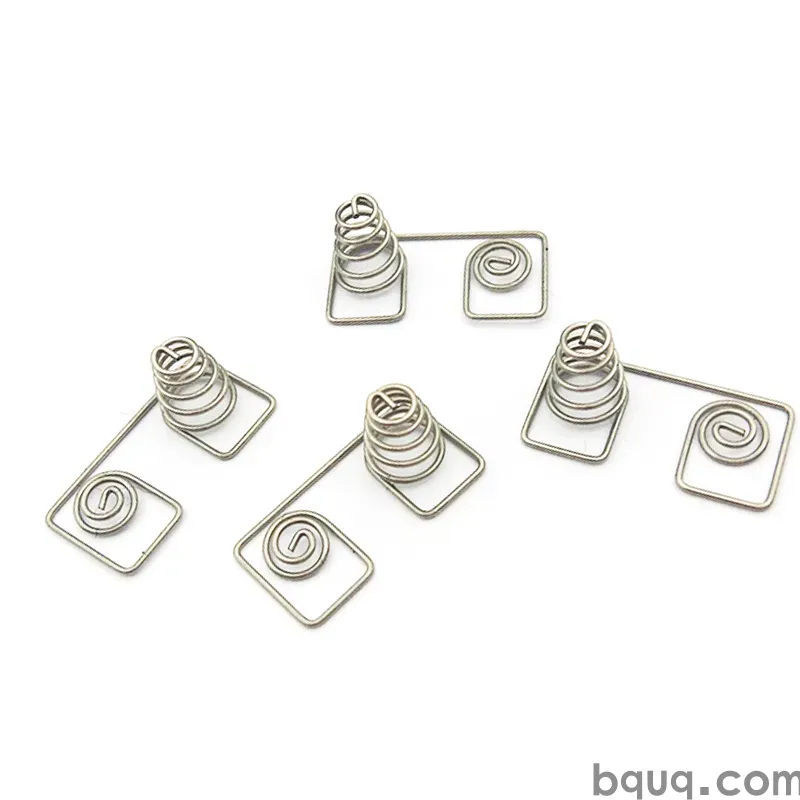
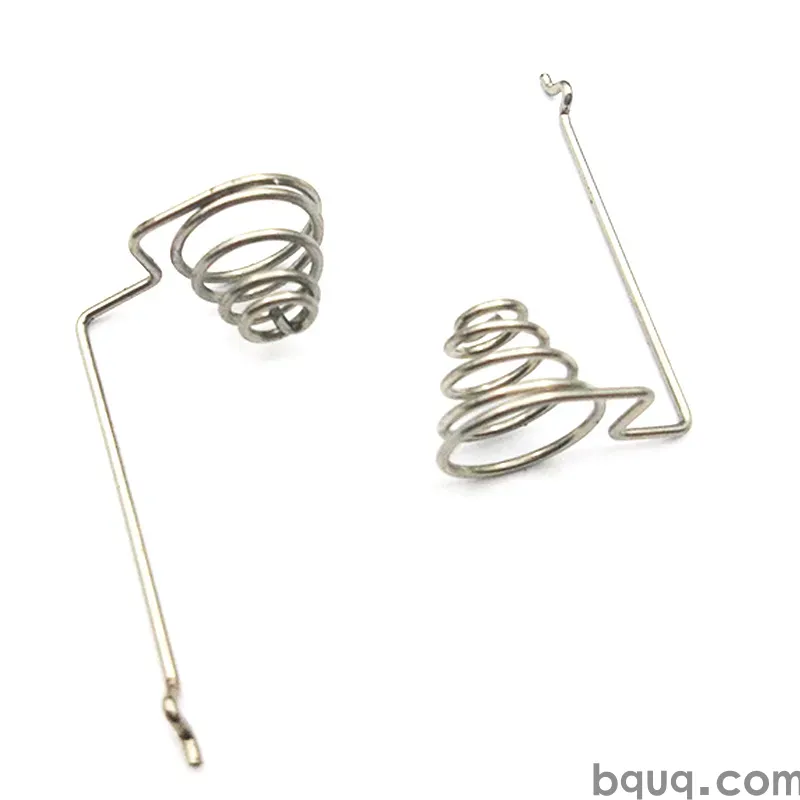
Kontrolle schützt Sie nur, wenn die Fabrik sie als normal behandelt. Als Referenzpunkt: So strukturiert BQUQ es: Wir sind ISO 9001-zertifiziert, unsere Fertigungstoleranz für kritische bearbeitete Merkmale beträgt ±0,005 mm, verifiziert durch KMM vor Ort, und jede Charge wird mit einem Maßprüfbericht geliefert, der die im Auftrag vereinbarten Merkmale abdeckt – als Standard, nicht als kostenpflichtige Option. Bei Federn werden Last und Federrate pro Charge gegen die Zeichnungswerte geprüft; bei bearbeiteten Teilen enthalten die vereinbarten kritischen Maße gemessene Werte und Instrumentenreferenzen. Wir akzeptieren die Vorserienkontrolle durch Dritte für jeden Auftrag; wir bitten nur darum, dass sie im Zeitplan steht, damit Teile nicht am Tor auf einen Kontrolleur warten müssen. Wenn Sie das Format vor der Bestellung sehen möchten, teilen wir gerne einen Muster-Chargenbericht – so wie eine Fabrik bereit sein sollte, ihre Arbeit zu zeigen, bevor sie dafür bezahlt wird. Starten Sie den Prozess, indem Sie eine Zeichnung für ein Angebot auf unserer CNC-Drehteile- oder Druckfedern-Linie senden, oder lesen Sie unser Profil für Details zu Zertifizierung und Qualitätssystem.
Häufig gestellte Fragen
F: Welchen AQL sollte ich für präzisionsbearbeitete Teile verwenden?
Ein praktischer Standard ist Allgemeine Kontrollstufe II mit AQL 1,0 für Hauptfehler und 4,0 für Nebenfehler, wobei echte kritische Merkmale für die 100%-Kontrolle herausgezogen werden. Verschärfen Sie auf 0,65 oder Stufe III, wenn Historie oder Risiko mehr Sicherheit erfordern – und rechnen Sie mit größeren Stichproben.
F: Was ist der Unterschied zwischen AQL und IQC/OQC?
AQL ist die Stichprobenregel; IQC/OQC (Eingangs-/Ausgangskontrolle) sind die eigenen Kontrollpunkte der Fabrik. AQL bestimmt, wie viele Teile Sie prüfen und was Sie akzeptieren. Fabrik-OQC-Berichte und Ihre AQL-basierte Kontrolle ergänzen sich, sie schließen sich nicht aus.
F: Sollte ich für jeden Auftrag einen Drittkontrolleur einsetzen?
Nicht unbedingt. Nutzen Sie die Dritt-PSI für Erstaufträge, neue Lieferanten und hochwertige Chargen. Bei Wiederholungsaufträgen von einer bewährten Fabrik reichen in der Regel geprüfte Fabrikberichte plus Ihre eigenen Wareneingangskontrollen aus – geben Sie das Kontrollbudget dort aus, wo das Risiko liegt.
F: Was passiert, wenn die Kontrolle fehlschlägt?
Die Fabrik sortiert die Charge, prüft erneut, und Sie vereinbaren eine Nachkontrolle – in der Regel auf Kosten der Fabrik. Der Fehlschlag sollte auch einen Korrekturplan auslösen. Dies funktioniert nur sauber, wenn die Fehlerklassen und der AQL vor der Produktion im Auftrag festgehalten wurden.
F: Liefern chinesische Fabriken normalerweise Kontrollberichte?
Seriöse tun das als Standardpraxis. BQUQ liefert jede Charge mit einem Maßprüfbericht für die vereinbarten Merkmale und teilt vor der Bestellung einen Musterbericht. Eine Fabrik, die keinen echten Chargenbericht vorlegen kann, ist eine Fabrik, die Sie nicht mit Volumen testen sollten.
Verfasst vom BQUQ Engineering-Team. BQUQ ist eine ISO9001-zertifizierte Quellenfabrik in Dongguan, China, die CNC-Bearbeitung, Metallstanzen, kundenspezifische Federn, Kühlkörper und Spannzangenlinien unter einem Dach betreibt. Senden Sie Zeichnungen an sc@bquq.com oder WhatsApp +86 13713157787 für ein Angebot innerhalb von 12 Arbeitsstunden. www.bquq.com